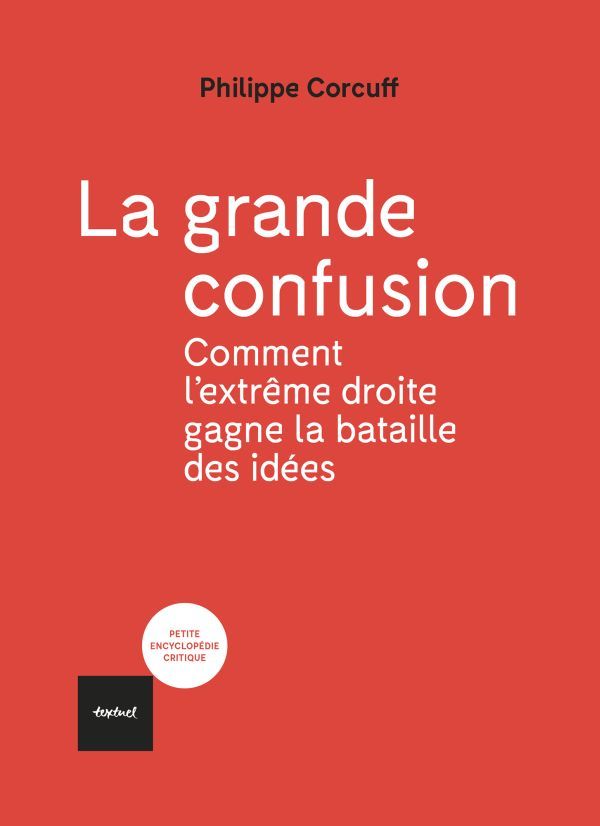
À travers une cartographie précise, exhaustive et référencée des débats idéologiques actuels, Philippe Corcuff montre …
Une longue introduction, assez dense, mais qui nous donne une bonne idée non seulement du sujet du livre (le #confusionnisme), mais aussi de son traitement (en tant que #théorie#critique#politique) et de son cadre épistémologique entre #phénoménologie et #analyse discursive. L'auteur mène aussi une réflexion sur la situation de cette recherche dans son propre parcours, entre contrainte académique et engagement citoyen. Bref, les 750 pages restantes s’annoncent velues, mais passionnantes!
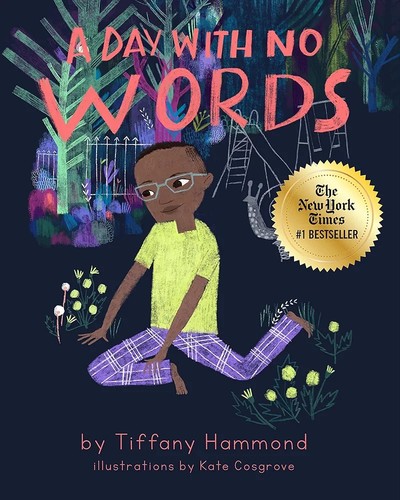
A Day With No Words was written by Tiffany Hammond and illustrated by Kate Cosgrove. This book was publish in 2023 and received the Dolly Gray Children’s Literature Award (2024) and was on the Center for the Study of Multicultural Children's Literature Best Books (2023). In addition to this, it was New York Time’s #1 Best Selling Picture book!
This book’s main character is a boy named Aidan who is autistic and nonverbal. The book shows the reader what it is like to spend a day existing as Aidan. The book starts off with Aidan waking up in the morning, walking to the park, playing at the park, and then going to get food at a fast food place. All are common experiences many children have with their parents. However, the reader gets to see from Aidan’s perspective as Aidan shares his thoughts throughout the story. Aidan understands and uses …
A Day With No Words was written by Tiffany Hammond and illustrated by Kate Cosgrove. This book was publish in 2023 and received the Dolly Gray Children’s Literature Award (2024) and was on the Center for the Study of Multicultural Children's Literature Best Books (2023). In addition to this, it was New York Time’s #1 Best Selling Picture book!
This book’s main character is a boy named Aidan who is autistic and nonverbal. The book shows the reader what it is like to spend a day existing as Aidan. The book starts off with Aidan waking up in the morning, walking to the park, playing at the park, and then going to get food at a fast food place. All are common experiences many children have with their parents. However, the reader gets to see from Aidan’s perspective as Aidan shares his thoughts throughout the story. Aidan understands and uses words but doesn’t use his voice to speak words. Instead, Aidan uses his device to push buttons that represent the images/words he is communicating. Throughout the story Aidan is able to be fully aware of the details of everyday life. He hears many voices and relates them to storms, whipped cream, waves, and air. This shows the wide spectrum of voice range and communication. This pairs nicely with the colors and tones used in the illustrations to show the wide range of voices and emotions associated with them. It also parallels Aidan’s feelings/response to the different voices he hears. Aidan is self-aware that he does things that people do not understand.
The relationship between Aidan and his mom is strong as she is in tune with what comforts him versus what makes him anxious. When his mom takes him to the park, the illustration of the other mothers nearby with their children portrays the misunderstandings of children with autism as one mother sneers “That boy is handicapped” when Aidan flaps. One mom is holding her son to protect him from Aidan. Another mom looks like she is showing pity on Aidan and his mom as her daughter hides behind her.
Later in the story, Aidan’s mom uses her own tablet when ordering food at a fast food restaurant. Aidan’s mom uses the device just like Aidan to model navigating communication with a verbal world. This book highlights the challenges a nonspeaking individual faces. With support of the illustrations this picture book also shows how humans constantly use nonverbal communication as well (facial expressions, hand gestures, touch, and written word). Messages can be heard without having a voice. The illustrations have different tones of color used to contrast the thoughts, feelings, wants, needs, and voices within a community. They also show how Aidan perceives all the voices and noise around him. He has a cunning sense of perception!
This book helps to foster an understanding and acceptance of people like Aidan. This book can be seen as a contemporary fiction picture book because it takes place in modern society with use of the tablet device for communication instead of just picture cards from previous decades. It also has the theme of disability through representation of Aidan as a nonverbal autistic child. Many books are written to explain the nature of a disability. This picture book offered perspective from a nonverbal child and showed diversity in how all humans communicate. I found this book to be a respectful representation of disability that could be suitable for primary to intermediate elementary students. I would use this book to discuss the themes of communication beyond spoken words, patience, understanding, acceptance, autism awareness, and inclusion. Since this book focuses on the community, I would use this book as an introduction for a class community action project. Community action projects would be used to either spread awareness or provide a sense of acceptance and belonging within the community.
Another way I would use this book is by focusing on the theme of communication. This can be used across all subject areas. I would put students in groups to present on a topic. However, they will not be able to use words. They will have to be creative and use other forms of communication (sounds, gestures, facial expressions, pictures, etc.) to convey their feelings/message. Afterwards, we will discuss the different modes of communication from both the presenter and audience member’s perspective. For an art class, students can do an illustrator study! Students can be provided with different voices/sounds and draw their emotional response to each sound using different colors. This would be great for a mindfulness activity too for social emotional-learning! Overall, this book offers a sense of belonging for nonverbal students and would be beneficial to add to any classroom library!
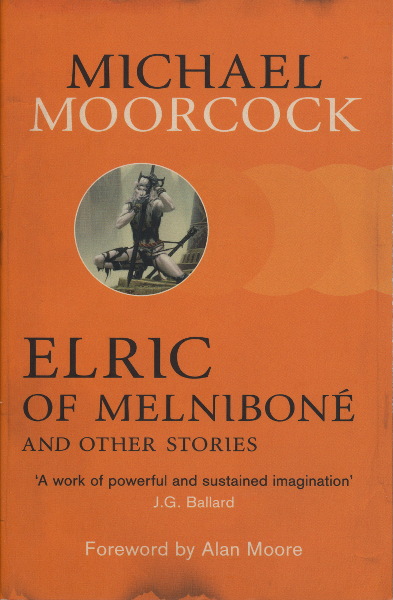
Elric of Melniboné is the classic fantasy antihero who transformed the genre, an evil emperor …
Bel romanzo principale, paratesti disastrati
3 stelle
Premetto che ho iniziato Elric of Melniboné and Other Stories a Novembre 2017, l'ho interrotto a metà e l'ho ricominciato da capo oggi, 28 Agosto 2018 – e me lo sono finito tutto d'un fiato. Ho dovuto fruirlo così perché Moorcock e il personale della Gollancz si sono chiaramente fatti di acidi e hanno usato questo volume come discarica in cui stampare tutti i saggi miscellanei che avevano in archivio: fra prefazioni e postfazioni ci ritroviamo a leggere una dopo l'altra introduzioni multiple alla vita e all'opera di Moorcock, introduzioni al genere sword & sorcery in generale e alla saga di Elric in particolare, saggi di critica letteraria scritti da Moorcock, la prefazione a una specifica edizione di uno specifico testo, persino quello che sembra essere il trascritto di una conferenza, e infine un saggio lungo che è stato diviso in più parti per spalmarlo su tutti i sei volumi …
Premetto che ho iniziato Elric of Melniboné and Other Stories a Novembre 2017, l'ho interrotto a metà e l'ho ricominciato da capo oggi, 28 Agosto 2018 – e me lo sono finito tutto d'un fiato. Ho dovuto fruirlo così perché Moorcock e il personale della Gollancz si sono chiaramente fatti di acidi e hanno usato questo volume come discarica in cui stampare tutti i saggi miscellanei che avevano in archivio: fra prefazioni e postfazioni ci ritroviamo a leggere una dopo l'altra introduzioni multiple alla vita e all'opera di Moorcock, introduzioni al genere sword & sorcery in generale e alla saga di Elric in particolare, saggi di critica letteraria scritti da Moorcock, la prefazione a una specifica edizione di uno specifico testo, persino quello che sembra essere il trascritto di una conferenza, e infine un saggio lungo che è stato diviso in più parti per spalmarlo su tutti i sei volumi dedicati a Elric (mossa francamene deplorevole). Il risultato è un paratesto ipertrofico e soffocante che sarà pure ben fatto in alcuni singoli contributi, ma non porta avanti alcuna riflessione storica sulla saga di Elric che contestualizzi i testi primari in un percorso di produzione artistica – peccato che il paratesto dell'edizione definitiva di una saga letteraria dovrebbe fare esattamente quello, e infatti è così che procedono sia gli apparati dell'edizione Ballantine di Robert E. Howard (volume primo: The Coming of Conan the Cimmerian) e di quella Night Shade Books di Clark Ashton Smith (volume primo: The End of the Story). A fronte di questi lavori eccellenti della concorrenza, Gollancz lascia ampiamente a desiderare.
Passando ai testi narrativi che dovrebbero costituire il cuore del volume, si inizia con una novella autoconclusiva di classica esplorazione del castello incantato, Master of Chaos, ambientata nel mondo di Elric prima delle avventure di questi, abbastanza godibile. A seguire, c'è l'anello debole della catena: la sceneggiatura del romanzo grafico Elric: The Making of a Sorcerer (proprio così, non il fumetto stesso, solo la sua sceneggiatura), un resoconto della giovinezza di Elric pieno di riferimenti e mythology gags rivolti ai fan affezionati della serie, ma che a un neo-lettore fanno l'effetto di un "tour guidato a Fantasilandia". Questo "effetto spiegone" mi ha pure rovinato la prima lettura del testo successivo, il romanzo Elric of Melniboné, rispetto al quale la sceneggiatura è un prequel diretto: essermi letto subito prima una guida turistica a Melniboné aveva tolto ogni fascino al graduale worldbuilding compiuto nel romanzo, visto che ogni elemento fantastico e sorprendente mi era già stato sbattuto in faccia nella sceneggiatura stessa.
Ho dovuto lasciar passare nove mesi per togliermi dalla testa l'effetto spiegone e riprendere in mano Elric of Melniboné a mente libera... e ne è valsa la pena. Il romanzo è del '72 e funge a sua volta da prequel ai racconti degli anni Sessanta in cui Elric era esordito, mostrandoci le sue origini come antieroe, dal primo scontro con la sua nemesi personale al recupero della sua iconica spada Tempestosa. Il testo è tuttora fresco e appassionante, complice la capacità di Moorcock di passare senza soluzione di continuità da una voce narrante onniscente all'uso del punto di vista di Elric – una tecnica non banale che gli permette di inserire più facilmente descrizioni favolose e commenti sardonici, senza spezzare affatto il ritmo. In più l'opera ha palesemente un grosso valore storico per lo sviluppo del fantasy anglofono, visto che è stata la saga di Elric a codificare (se non a inventare in toto) gli archetipi dell'impero ancestrale di stregoni domatori di draghi (George Martin, sto guardando alla tua Valyria) e dell'Equilibrio cosmico fra Legge e Caos, imitato a piene mani (e spesso puerilizzato) nei giochi di società della TSR e della Games Workshop.
Riassumendo, questo Elric of Melniboné and Other Stories è una miscellanea abbastanza sgraziata con materiali di qualità difforme, ma limitarsi solo alla novella e al romanzo (evitando invece la sceneggiatura) e leggere i saggi come testi autonomi (non come il commento puntuale che non sono) la rende un gradevole primo incontro con il Duca Bianco; per quanto mi riguarda, mi ha convinto a continuare con la saga.
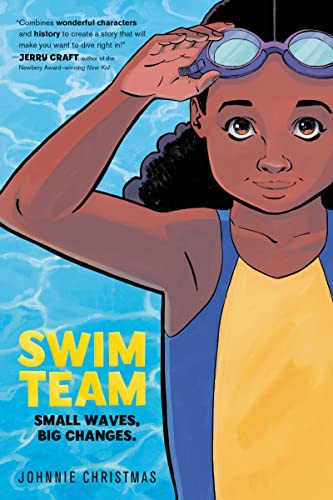
Swim Team by #1 New York Times bestselling author, Johnnie Christmas, is a graphic novel about a young girl who takes on a new home, new friends, and a daunting new sport. It has been the recipient of many awards, including the National Book Award Longlist, Coretta Scott King Illustrator Honor, BCALA Literary Award Winner, Black-Eyed Susan Award, Maud Hart Lovelace Award, Yellowhammer Award, and Jane Addams Book Award Honor. Bree, the main character, reluctantly joins “Swim 101” after all other elective classes are full. From there, she must face her fears of the water as she also navigates new friends and some new not-so-friendly classmates. As we follow Bree on this journey, we learn about the historic segregation and oppression Black Americans faced as they fought for the right to swim in public pools and beaches and how spirit, determination, and community can be the missing puzzle-pieces to success. …
Swim Team by #1 New York Times bestselling author, Johnnie Christmas, is a graphic novel about a young girl who takes on a new home, new friends, and a daunting new sport. It has been the recipient of many awards, including the National Book Award Longlist, Coretta Scott King Illustrator Honor, BCALA Literary Award Winner, Black-Eyed Susan Award, Maud Hart Lovelace Award, Yellowhammer Award, and Jane Addams Book Award Honor. Bree, the main character, reluctantly joins “Swim 101” after all other elective classes are full. From there, she must face her fears of the water as she also navigates new friends and some new not-so-friendly classmates. As we follow Bree on this journey, we learn about the historic segregation and oppression Black Americans faced as they fought for the right to swim in public pools and beaches and how spirit, determination, and community can be the missing puzzle-pieces to success. I’m a “newbie” when it comes to reading in the graphic novel format, but I really enjoyed how the illustrations (which were stunning, by the way) propelled the plot forward as much as the text. Swim Team would be a wonderful book for readers age 9-13. I would teach this in a fifth grade monolingual or linguistically blended classroom to do a genre study on graphic novels and the use of color and light in the illustrations to demonstrate mood of the story. It would also be a great fit for teaching theme, as there are several clear themes that students would resonate with in the text.
WOE! SCREAM! MEOW! ...PURR? Join the hilarious and of course dramatic world of Linney the …
It’s weird to read it again, five years after its content was published on social media. I remember being a HUGE fan of it, and if I had had to do an end-of-year list with my favorite comics from 2019, all the strips that Lucy Knisley posted about her cat Linney would be my #1.
But in 2024 it feels like this kind of voice is now present in a ton of cat videos on social media. Reading the book didn’t make me feel anything, but reading the strips again this morning on Instagram - where they’re still available - instantly brought me back to where I was working in 2019, how a new publication would be the highlight of my day (OF MY WEEK) and how I felt when the last strip was published.
The Ghost Brigades are the Special Forces of the Colonial Defense Forces, elite troops created …
Where's John Perry?
3 stelle
Found as EN "boxed set" and read the trilogy (with Old Man's War & The Last Colony) in less than a week (nights mainly).
Less entertaining than #1 IMHO, but "needed" to jump into #3
Astra has become one of the most popular Sentinels in Chicago, past scandals notwithstanding, and …
Not really part #4
2 stelle
This is book #4 in the series, but it's not the fourth part. Apparently there's a short story, "Omega Night", and it contained both plot and character developments that significantly impact this book. However, even on the official author's website it's not listed between books 3 and 4. It's listed after the final book, among other "related works".
And the author doesn't really do a good job of recapping what happened, it's just an abrupt jump, and now Hope/Astra's angsting over a new crush that started during that book, freaking out over a danger to one of her friends that's due to events in that book, and a number of other sudden changes.
And these changes continue to casually come up over the course of the entire book, so that put a serious damper on my enjoyment of it.
Beyond that, the premise/setting was unique and somewhat interesting, but a …
This is book #4 in the series, but it's not the fourth part. Apparently there's a short story, "Omega Night", and it contained both plot and character developments that significantly impact this book. However, even on the official author's website it's not listed between books 3 and 4. It's listed after the final book, among other "related works".
And the author doesn't really do a good job of recapping what happened, it's just an abrupt jump, and now Hope/Astra's angsting over a new crush that started during that book, freaking out over a danger to one of her friends that's due to events in that book, and a number of other sudden changes.
And these changes continue to casually come up over the course of the entire book, so that put a serious damper on my enjoyment of it.
Beyond that, the premise/setting was unique and somewhat interesting, but a lot of it felt like repeating "same song, different verse." Just marking things off a checklist. Astra has a crush that she doesn't want to act on (thankfully not the same one as at the end of book #3). Astra asks for advice, then ignores it in a way that could cause trouble for the one who gave it. Astra manages to get separated from her team (but thankfully not abducted this time). Astra makes mistakes and spends time berating herself. Important rules get massively broken but a loophole means it's okay. And the Perfect Defenses get destroyed via the most plausible method, which somehow no-one saw coming.
I did really like that, after introducing a terrifying Islamic terrorist supervillain in book #1, the author chose to introduce a character that showcases the more peaceful side of Islam. I wish the character was ongoing, but it doesn't look like he will be.
I really didn't like the friend drama for this book - it felt pretty contrived, but Astra was utterly poleaxed. Honestly, the number of times something relatively trivial knocks Astra so off her stride that she can't think straight for several days should probably be cause for serious concern among the team leadership.
Despite the two main characters having the same character, this was fun and fresh and slightly silly. It reminds me of Unsouled (Cradle #1) but also a bit of Ed Greenwood's Band of Four series.