flarion ha recensito Neuromancer di William Gibson
None
3 stelle
Cool book. Wild story (even from someone coming from tech). Fantastic characters. Slow start, good middle part, weird ending.
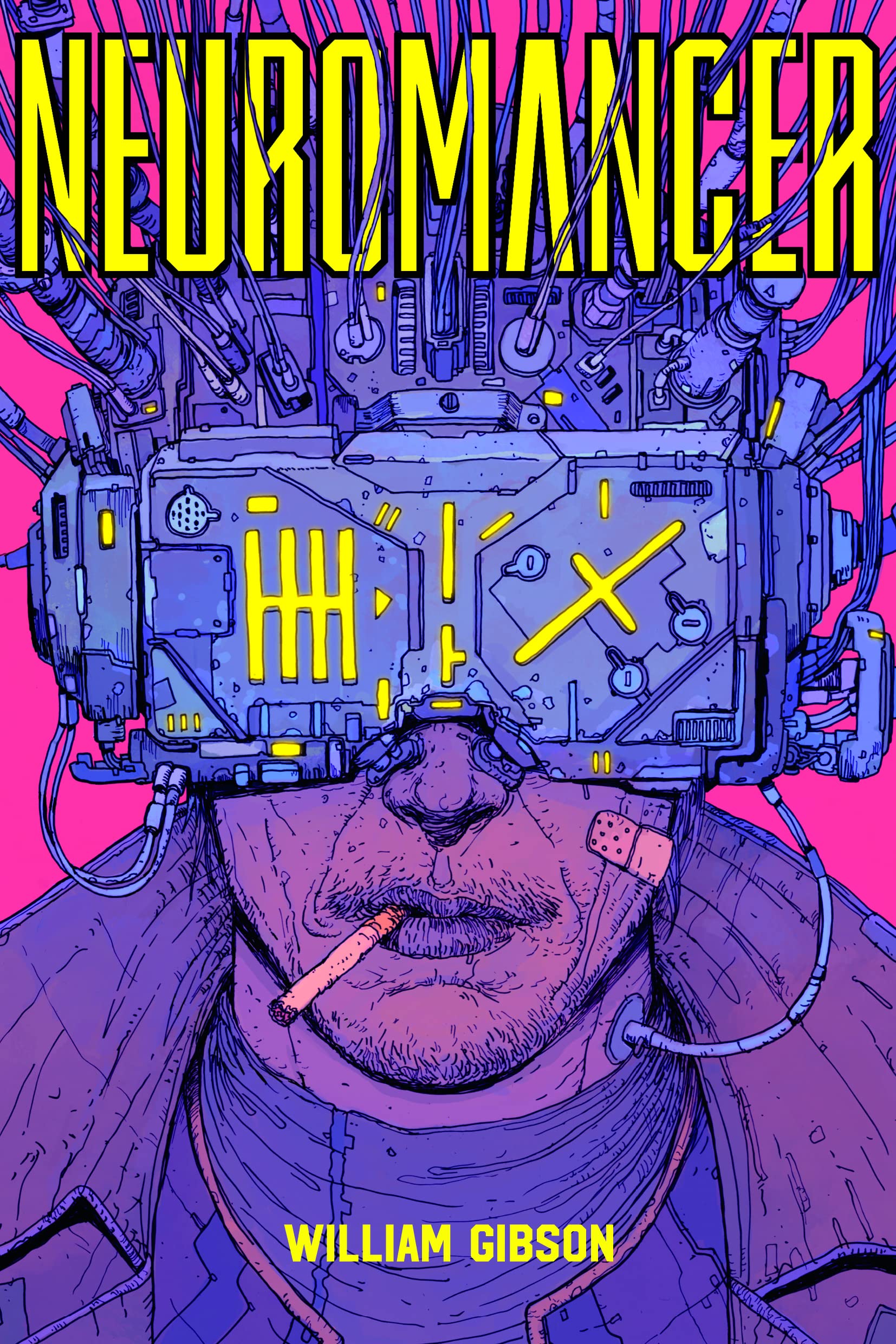
Brossura, 320 pagine
lingua Portuguese
Pubblicato il 19 Agosto 2016
O Céu sobre o porto tinha cor de televisão num canal fora do ar. Considerada a obra precursora do movimento cyberpunk e um clássico da ficção científica moderna, Neuromancer conta a história de Case, um cowboy do ciberespaço e hacker da matrix. Como punição por tentar enganar os patrões, seu sistema nervoso foi contaminado por uma toxina que o impede de entrar no mundo virtual. Agora, ele vaga pelos subúrbios de Tóquio, cometendo pequenos crimes para sobreviver, e acaba se envolvendo em uma jornada que mudará para sempre o mundo e a percepção da realidade. Evoluindo de Blade Runner e antecipando Matrix, Neuromancer é o romance de estreia de William Gibson. Esta obra distópica, publicada em 1984, antevê, de modo muito preciso, vários aspectos fundamentais da sociedade atual e de sua relação com a tecnologia. Foi o primeiro livro a ganhar a chamada “tríplice coroa da ficção científica”: os prestigiados …
O Céu sobre o porto tinha cor de televisão num canal fora do ar. Considerada a obra precursora do movimento cyberpunk e um clássico da ficção científica moderna, Neuromancer conta a história de Case, um cowboy do ciberespaço e hacker da matrix. Como punição por tentar enganar os patrões, seu sistema nervoso foi contaminado por uma toxina que o impede de entrar no mundo virtual. Agora, ele vaga pelos subúrbios de Tóquio, cometendo pequenos crimes para sobreviver, e acaba se envolvendo em uma jornada que mudará para sempre o mundo e a percepção da realidade. Evoluindo de Blade Runner e antecipando Matrix, Neuromancer é o romance de estreia de William Gibson. Esta obra distópica, publicada em 1984, antevê, de modo muito preciso, vários aspectos fundamentais da sociedade atual e de sua relação com a tecnologia. Foi o primeiro livro a ganhar a chamada “tríplice coroa da ficção científica”: os prestigiados prêmios Hugo, Nebula e Philip K. Dick
Cool book. Wild story (even from someone coming from tech). Fantastic characters. Slow start, good middle part, weird ending.
Il se passe quelque chose avec la traduction qui rend difficile de rentrer dans le texte, et à la fois lui donne un ton si particulier et si direct que naissent de nouvelles images, ou au contraire des concepts abstraits difficiles à mettre en image (et alors on s'accroche aux mots, à leur forme et à leurs sons pour donner une texture et une consistance au concept). J'aime beaucoup cette idée, par exemple, qui fait appeler les espaces informatiques qu'on doit infiltrer des "glaces", ce qui est à la fois très visuel (elle reflète, elle se brise, on voit à travers sans pouvoir y pénétrer) et suffisamment abstrait pour que l'image qu'on s'en fait reste imprécise, changeante et donc beaucoup ancré dans le mot lui-même ("glace") sa sonorité et sa poésie. Je ne l'ai pas lu en anglais donc je ne saurais pas dire à quoi ressemble l'écriture de Gibson, …
Il se passe quelque chose avec la traduction qui rend difficile de rentrer dans le texte, et à la fois lui donne un ton si particulier et si direct que naissent de nouvelles images, ou au contraire des concepts abstraits difficiles à mettre en image (et alors on s'accroche aux mots, à leur forme et à leurs sons pour donner une texture et une consistance au concept). J'aime beaucoup cette idée, par exemple, qui fait appeler les espaces informatiques qu'on doit infiltrer des "glaces", ce qui est à la fois très visuel (elle reflète, elle se brise, on voit à travers sans pouvoir y pénétrer) et suffisamment abstrait pour que l'image qu'on s'en fait reste imprécise, changeante et donc beaucoup ancré dans le mot lui-même ("glace") sa sonorité et sa poésie. Je ne l'ai pas lu en anglais donc je ne saurais pas dire à quoi ressemble l'écriture de Gibson, même si j'ai l'impression qu'on est sur une traduction très directe (trop ? : parfois les néologismes traduits au mot pour mot restent en travers de la gorge au premier abord) qui donne ce ton si particulier, même dans le rythme des phrases.
Quand au roman, on est facilement perdu dans la logique du pourquoi ou comment des évènements, mais c'est aussi le cas des personnages et globalement du monde dans lequel ils évoluent, où le moindre corps est augmenté, technologiquement transformé, et la relation au réel qui en résulte est elle-même augmentée, transformée, au point d'en redéfinir les contours. Le réel est fragmenté, liquide, vaporeux, tout cela à la fois, et tout va trop vite pour nos simples cerveaux organiques.
Il y a par ailleurs effectivement beaucoup de choses/concepts/idées dans ce livre qu'on a retrouvé ailleurs par la suite dans la SF littéraire et au cinéma, mais beaucoup de personnes en ont déjà parlé, donc je me contenterai de pointer un lien plus rare mais évident à mes yeux : le personnage de Peter Riviera qui projette des "subliminaux" (sortes d'hologrammes hallucinatoires, souvent organiques et violents destinés à perturber ses adversaires) résonne avec l'imagerie de nombreuses BD de Enki Bilal (dont la trilogie du Monstre) où les corps sont entourés voire traversés de textures, matières voire animaux (poissons) dont il est difficile de savoir si elles sont tangibles ou non.
Livro de William Gibson muito bom. É necessária um pouca da compreensão do cenário punk para entender a certa revolução que traz este livro, como por exemplo falar do céu como TV fora do ar e o jeito de falar de certos personagens. Superficialmente, é mais um livro com sexo, cowboys e Japão, mas por dentro é um ótimo livro, muito profundo. Recomendo.
Uno de los libros que me ha resultado más difícil de comentar/calificar... Por un lado, me parece admirable la forma en que Gibson se adelanta a su tiempo de maneras que muy pocos se atrevieron y muchos menos consiguieron convertir casi en "profecías". Por otro lado, la narrativa es difícil de seguir... No por compleja, quizás es un asunto de gusto personal o del momento de mi vida en que lo leí, pero me costó conectar emocionalmente con los personajes. Me lo apunto como un libro al que le debo una segunda lectura, con una disposición diferente de mi parte.
I wanted a happy ending for the characters but I guess it fits more that it wasn’t. Aesthetically it’s a master piece, it's everything I love about cyberpunk. It's a classic for a reason.
Also yea I absolutely try to look like a razorgirl any chance I get.
Anyone wanting to argue than Neuromancer has aged like either milk or wine will readily find all the examples they could want to make their case; but the depiction of the consensual hallucination in Neuromancer still reads like a more futuristic network and virtual reality technology than anything we have today.
The words visionary and iconic get thrown around by hypebeasts and idiots to the point they're a debased and inflated currency, but describing Neuromancer without them is telling lies of omission. Parts of Neuromancer still describe a vision of what may yet come (and a far from idealised vision at that).
For anyone who hasn't read it, expect it to make less sense on your first reading than the second. Some things seem overly detailed but on rereading the same ink on the same pages somehow has written different words leaving me a completely different impression second time around. …
Anyone wanting to argue than Neuromancer has aged like either milk or wine will readily find all the examples they could want to make their case; but the depiction of the consensual hallucination in Neuromancer still reads like a more futuristic network and virtual reality technology than anything we have today.
The words visionary and iconic get thrown around by hypebeasts and idiots to the point they're a debased and inflated currency, but describing Neuromancer without them is telling lies of omission. Parts of Neuromancer still describe a vision of what may yet come (and a far from idealised vision at that).
For anyone who hasn't read it, expect it to make less sense on your first reading than the second. Some things seem overly detailed but on rereading the same ink on the same pages somehow has written different words leaving me a completely different impression second time around. I imagine well written murder mystery or noir genre works achieve, but I'm a philistine who hasn't read Agatha Christie or Raymond Chandler so this is naked speculation on my part.
I don't think this would turn anyone who doesn't enjoy sci-fi or cyberpunk into a fan, but any who've enjoyed either I think it's a worth the read and re-read.
It took a long time to read because it’s so dense and a little abstract the whole way through. Some noir plots in the beginning with an action movie ending, which is all well and good, but the characters don’t have much depth to them.
It’s a absolutely an important piece of sci-fi pop culture but as a novel it’s not memorable for me.
Difficile dare un voto. Da una parte abbiamo la nascita di un genere, il Cyberpunk, che nasce ed esplode in questo libro. Dall'altra abbiamo una scrittura volutamente complessa e incomprensibile per dare un senso di confusione proprio del genere. Quindi: promosso, letto con difficoltà, ma assolutamente positivo.
I thought I'd read this before, but remember nothing. Which is surprising, because it was really freak'n cool. From the very first line, it's all so dang evocative. I had to re-read so much of it to savour each description. But also had to re-read a lot because I only read a page or two at a time, and I got lost a lot returning to it, because everything moved so fast. But hot dang, I see why it's a classic.
Sometimes I love a book and still didn't understand much of it. I really need to read it again, maybe in a more recent translation (i traduttori italiani di sci-fi negli anni 80/90 facevano schifo o è solo una mia impressione?)
“A consensual hallucination experienced daily by billions of legitimate operators, in every nation, by children being taught mathematical concepts... A graphic representation of data abstracted from banks of every computer in the human system. Unthinkable complexity. Lines of light ranged in the nonspace of the mind, clusters and constellations of data. Like city lights, receding...”
Ka-boom. E' il suono emesso dal mio cervellino quando, nel 1991, William Gibson vi imprimeva in modo indelebile la definizione di cyberspazio. Con una manciata di parole scelte meticolosamente rendeva limpido e vivido un concetto complesso, fino ad allora fumoso e sfuggente. Da allora, non mi sono più perso un suo libro.