"Beloved possesses the heightened power and resonance of myth. An extraordinary novel."
--Michiko Kakutani, New York Times
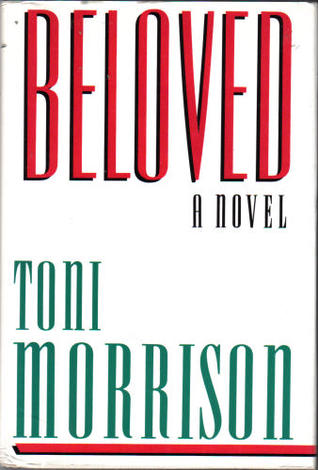
Toni Morrison's magnificent Pulitzer Prize-winning novel--first published in 1987--brought the unimaginable experience of slavery into the literature of our time and into our comprehension. Set in post-Civil War Ohio, it is the story of Sethe, an escaped slave who has risked her life in order to wrench herself from a living death; who has lost a husband and buried a child; who has borne the unthinkable and not gone mad. Sethe, who now lives in a small house on the edge of town with her daughter, Denver, her mother-in-law, Baby Suggs, and a disturbing, mesmerizing apparition who calls herself Beloved.
Sethe works at "beating back the past," but it makes itself heard and felt incessantly: in her memory; in Denver's fear of the world outside the house; in the sadness that consumes Baby …
"Beloved possesses the heightened power and resonance of myth. An extraordinary novel."
--Michiko Kakutani, New York Times
Toni Morrison's magnificent Pulitzer Prize-winning novel--first published in 1987--brought the unimaginable experience of slavery into the literature of our time and into our comprehension. Set in post-Civil War Ohio, it is the story of Sethe, an escaped slave who has risked her life in order to wrench herself from a living death; who has lost a husband and buried a child; who has borne the unthinkable and not gone mad. Sethe, who now lives in a small house on the edge of town with her daughter, Denver, her mother-in-law, Baby Suggs, and a disturbing, mesmerizing apparition who calls herself Beloved.
Sethe works at "beating back the past," but it makes itself heard and felt incessantly: in her memory; in Denver's fear of the world outside the house; in the sadness that consumes Baby Suggs; in the arrival of Paul D, a fellow former slave; and, most powerfully, in Beloved, whose childhood belongs to the hideous logic of slavery and who has now come from the "place over there" to claim retribution for what she lost and for what was taken from her. Sethe's struggle to keep Beloved from gaining possession of her present--and to throw off the long-dark legacy of her past--is at the center of this spellbinding novel. But it also moves beyond its particulars, combining imagination and the vision of legend with the unassailable truths of history.
Upon the original publication pf Beloved, John Leonard wrote in the Los Angeles Times: "I can't imagine American literature without it." In fact, more than a decade later, it remains a preeminent novel of our time, speaking with timeless clarity and power to our experience as a nation with a past of both abominable and ennobling circumstance.
This book walks around you over and over again, dizzying you deeper into different characters' pasts and thoughts. When it reaches a climax, it's like you fall over, and then are pulled back up, and made dizzy again. I found myself entranced with Morrison's writing. I've never read her before, except 'The Bluest Eye' over 15 years ago in college that I don't remember it at all. I listened to the audiobook, too, which is narrated by Morrison. I have to admit, there were times I didn't understand what was happening, or what had just happened. The story would press on, and I'd have to make sense of it. That's why this is 4 stars for me, but it's probably my own flaw in being able to understand. However, I also think that's the point, to not quite understand sometimes. I will reread this at some point.
Puoi trovare questa recensione anche sul mio blog, La siepe di more
Amatissima è quel tipo di romanzo immenso che, dopo averlo letto, vorresti leggesse chiunque, ma non hai idea di come scriverne perché almeno qualcunǝ si incuriosisca abbastanza da fare un tentativo. Mamma mia, Morrison, cosa non mi hai fatto provare durante questa lettura!
E dire che per gran parte della prima metà non mi aveva preso per niente: non riuscivo bene a capire dove volesse portarmi Morrison, complici quel tocco di realismo magico che sconcertava la mia ragione e una storia della quale faticavo a mettere insieme i pezzi. Poi a un certo punto qualcosa ha scattato, gli elementi della storia si sono messi in fila e ho capito di star leggendo un capolavoro.
Vi diranno che Amatissima è un romanzo sulla schiavitù dei neri negli USA – ed è vero – ma quello è solo il primo …
Puoi trovare questa recensione anche sul mio blog, La siepe di more
Amatissima è quel tipo di romanzo immenso che, dopo averlo letto, vorresti leggesse chiunque, ma non hai idea di come scriverne perché almeno qualcunǝ si incuriosisca abbastanza da fare un tentativo. Mamma mia, Morrison, cosa non mi hai fatto provare durante questa lettura!
E dire che per gran parte della prima metà non mi aveva preso per niente: non riuscivo bene a capire dove volesse portarmi Morrison, complici quel tocco di realismo magico che sconcertava la mia ragione e una storia della quale faticavo a mettere insieme i pezzi. Poi a un certo punto qualcosa ha scattato, gli elementi della storia si sono messi in fila e ho capito di star leggendo un capolavoro.
Vi diranno che Amatissima è un romanzo sulla schiavitù dei neri negli USA – ed è vero – ma quello è solo il primo filo, che poi si intreccerà con altri fili per dare vita a un tessuto simile al raso, così uniforme che è difficile individuare il punto di partenza. Come si fa a dire di aver raggiunto la libertà? Che cos’è la libertà? Basta non avere più padroni e padrone, oppure è una questione più complessa, fatta di tanti ambiti nei quali liberarsi?
Ho amato il modo in cui Morrison ha raccontato la maternità, inevitabilmente intrecciata con lo schiavismo e il patriarcato, che ne pervertono l’amore con le loro logiche gerarchiche e il loro assoluto disprezzo per la libertà altrui. Non si attraversa indenni una società dove a chi è in fondo alla scala gerarchica può essere fatta qualsiasi cosa – e Morrison non è parca di esempi. Nemmeno essere le vittime garantisce di aver imparato la lezione.
E in questo romanzo di donne, non manca lo sguardo sulla mascolinità, annientata nella condizione di schiavo, dove qualunque pretesa di forza e superiorità sugli altri generi viene meno e ancora persa nel tentativo di ritrovarsi e ricostruirsi secondo logiche diverse.
It was not a story to pass on: non è una storia da tramandare e non è una storia da ignorare. È particolarmente consigliata alle persone razzializzate e a chi ama la letteratura di confine, non tanto geografico, ma etico e interiore.
Ben scritto, ma non mi piace, mi addormento. Abbandonato il 23, poi ripreso e terminato nei primi di giugno; mi ci sono appassionato. Tremendo, ma non mi sembra poi un capolavoro, nonostante il tema della schiavitù e la stranezza del ritorno dello spirito della bambina.