Review of 'Prometheus: Up & Running: Infrastructure and Application Performance Monitoring' on 'Goodreads'
4 stelle
Quite a useful reference to get a general sense of direction in the field.

Questo collegamento si apre in una finestra pop-up
Quite a useful reference to get a general sense of direction in the field.
While observing exotic animal trainers for her acclaimed book Kicked, Bitten, and Scratched, journalist Amy …
A funny and enjoyable read with some sound advice on relationships. There isn't much more than you won't have learnt already from the original essay on the NYT, but there's some nice filler.
In the Clean Coder: A Code of Conduct for Professional Programmers, legendary software expert …
A good reference, mostly because it's so compact and well thought out. I've not managed to use it that much in practice, but it can be a good starting point for conversations or for self-improvement if you're confused about where you stand.

In this memoir, singer-songwriter Patti Smith shares tales of New York City : the denizens …
A captivating read. Patti Smith has so many good stories to tell!
We live in an era in which offensive speech is on the rise. The emergence …
Nadine Strossen is very convincing and uniquely experienced in the topic. Before coming up with your own definitions of online harassment or whatnot, check this book for the well-known pitfalls.
A classic of sociology and the study of the commons, which remains captivating and entertaining. Even though the forest ranger is nowadays a mere metaphor of the challenges of administration and regulation, particularly in the area of the commons, I've also learnt a lot about forest management in the USA. The book is packed with figures and concrete data but remains very enjoyable to read.
I'm a broken record on this, but one of my take aways was how important it is for a central bureaucracy to consider the cost of information when working on such a huge space. The passages on the importance of preserving records and local knowledge, and the difficulty of training new rangers, may sound trivial, but I believe they're crucial.
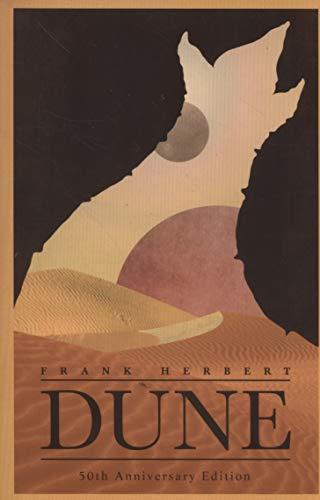
Dune is a 1965 epic science fiction novel by American author Frank Herbert, originally published …
Obviously I've only started the book because I was captivated by the eye candy of the movie, but surprisingly I ended up reading it in one sitting because it was very captivating. There's something for everybody.
«Water is the least favourable condition for life on Arrakis. And remember that growth itself can produce unfavourable conditions unless treated with extreme care.»
An open society provides its citizens with a mechanism for changing government; a closed society …
One of the best summaries of ancient philosophy I've ever read. Plato gets completely destroyed, and he deserves it.
From chapter 9: «Aestheticism and radicalism must lead us to jettison reason, and to replace it by a desperate hope for political miracles. This irrational attitude which springs from an intoxication with dreams of a beautiful world is what I call Romanticism. It may seek its heavenly city in the past or in the future; it may preach "back to nature" or "forward to a world of love and beauty"; but its appeal is always to our emotions rather than to reason. Even with the best intentions of making heaven on earth it only succeeds in makin it a hell–that hell which man alone prepares for its fellow-men.»
Sostanzialmente una serie di definizioni. Probabilmente è inevitabile che sia interessante solo per gli specialisti.
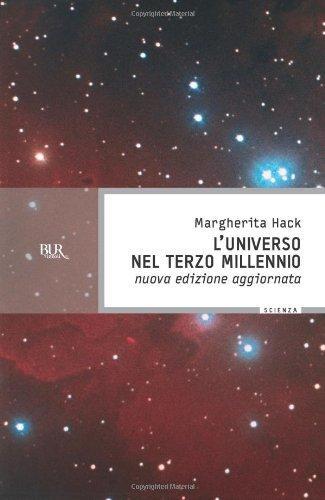
Spiega molto bene l'evoluzione delle stelle; peccato non aver fatto a tempo a finirlo.
Un romanzo sull'impossibilità per il narratore di scrivere un romanzo, per questioni stilistiche e narrative che emergono dalla storia e da tutti gli "inserti meta-narrativi" (mi invento il nome tecnico, vabbè, insomma qualcosa meta-qualcos'altro). Intelligente e divertente, ma leggendolo ho avuto la forte impressione che tale tecnica fosse già superata cinquant'anni fa, insomma non stupisce piú nessuno, e resta senza scopo una certa pesantezza linguistica che quindi non appaga molto. Comunque val la pena di leggerlo, anche perché è corto. Qualche citazione qui: it.wikiquote.org/wiki/Tommaso_Landolfi#La_biere_du_pecheur
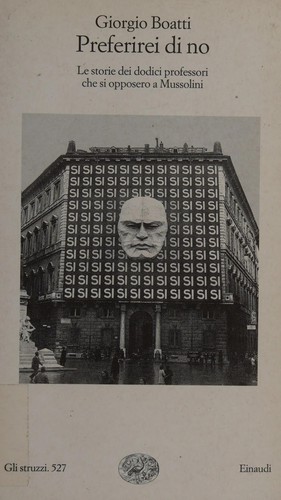
L'argomento è interessante, i dodici straordinari; ma da quel poco che ho letto il libro mi sembra troppo agiografico e poco storico (del resto Boatti è un giornalista), insomma non molto profondo, una semplice somma di biografie. Non ho tempo per finirlo, e non credo che lo riprenderò in prestito.
“There are two prices for this. Half…and half. One half is cash. The other is a deed. Do you understand?” …
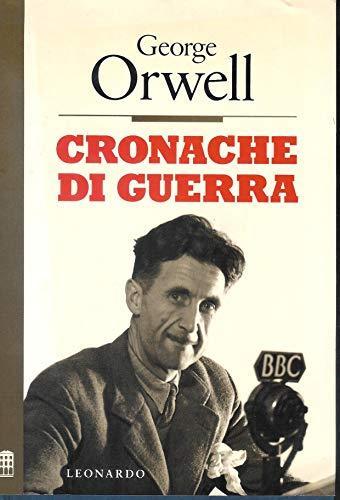
Piuttosto noiose: sono proprio cronache cronache e anche censurate. Non finito.