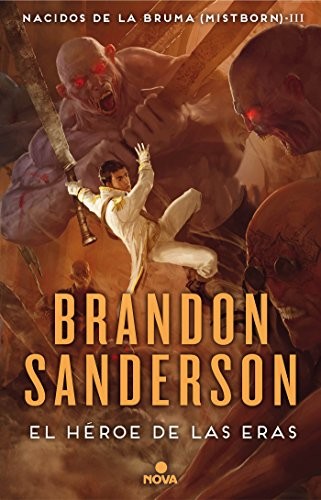
This book is not only the third book in a trilogy, but it’s Act Three of the the three-act structure for the Mistborn Trilogy—it’s the part of the story where the heroes have discovered that what they thought was the problem all along was not the true danger, and now they’re fighting for not only their own survival but that of the world they live in. The mists are killing people and staying out much longer than they should. The Ashmounts are spewing more and more choking ash into the sky, burying the crops that everyone needs to eat to live. And Ruin, the creature Vin was tricked into freeing from its prison of a millennium, is loose to wreak havoc upon the land. Life under the Lord Ruler is starting to look like paradise in comparison.
While the first book in the trilogy turned the standard fantasy story on …
This book is not only the third book in a trilogy, but it’s Act Three of the the three-act structure for the Mistborn Trilogy—it’s the part of the story where the heroes have discovered that what they thought was the problem all along was not the true danger, and now they’re fighting for not only their own survival but that of the world they live in. The mists are killing people and staying out much longer than they should. The Ashmounts are spewing more and more choking ash into the sky, burying the crops that everyone needs to eat to live. And Ruin, the creature Vin was tricked into freeing from its prison of a millennium, is loose to wreak havoc upon the land. Life under the Lord Ruler is starting to look like paradise in comparison.
While the first book in the trilogy turned the standard fantasy story on its head, this volume (perhaps inevitably?) returns in a way to the tropes the first volume was a reaction against. Yet in this case the enemy is not a human or humanlike Dark Lord, but something more like a force of nature—entropy itself given a will and a guiding personality in the form of Ruin.
Ultimately, the book is about how the characters we have grown to love from the previous volumes—Vin, Elend, Sazed, TenSoon, Spook, Marsh, and others—find the courage and faith to fight on in the face of overwhelming odds, just as Kelsier taught them when he plotted the downfall of the Final Empire.
The transcendence at the end of this book wasn't from the ending, but because of the ending. A bloated mess that can only be published when well into a series - it would never pass muster as a first book. Tedious. After a good first book, and a middling second, this is a mess. Took me almost two months to finish because I was bored by it - too much repetition of lore from the first two, too many unnecessary side quests, too much inner dialogue from characters that aren't interesting or pushing the plot forward. Do not recommend.
I wonder if I'd have liked this better if I hadn't read it on audio? maybe the narrator made every character more grating than they had to be. anyway it's decent. the best part of book one was the ballroom intrigue and I was really missing that in book two, so I'm glad that in book three sanderson contrived a stupid reason for them to have to go to a ball, that was goofy but fun. cute ending too. I don't know if I'm going to read any more of these
Elbette buraya yazacağım her şey benim fikrim, herhangi bir şeyin ne olduğunu değil ama benim onu nasıl algıladığımı aktarmak amacım. Bunun üstüne bir de yorgun bir zihin eklenince ben senin yerinde olsaydım bu incelemeyi okumazdım.
Yazarın pek de bir yol kat edemediğini görüyorum. En en genel hatlarıyla baktığımızda, kitap son dörtlüğe girerken biraz yardırma ve mevzuları bir an önce toparlayıp kapatma eğiliminde, zira o noktaya gelene dek görece verimsizce bir "neden-sonuç dizgesi" hazırlamaya uğraşıyor.
Karakterlerin hepsi random number generator ile, random table üzerinden üretilmiş gibi hissettiriyor, bir bağlam ya da entegrelik pek yok. Mevzunun bütünü de öyle zira. Ana bir fikri alıp onu "çeşitlendirmek" için bir takım rastgele ve saçma şeyler sağa sola savrulmuş, karakterler bunlar arasında ilerlerken yer yer doğaüstü aptallık, yer yer doğaüstü zeka örnekleri gösteriyor ve her şey nasıl oluyorsa tatlıya bağlanıyor. Diyar pek "inandırıcı" hissettirmiyor. Herkes "iyi adam" lafına takmış durumda, mevzular hep aynı düzlemde dönüp …
Elbette buraya yazacağım her şey benim fikrim, herhangi bir şeyin ne olduğunu değil ama benim onu nasıl algıladığımı aktarmak amacım. Bunun üstüne bir de yorgun bir zihin eklenince ben senin yerinde olsaydım bu incelemeyi okumazdım.
Yazarın pek de bir yol kat edemediğini görüyorum. En en genel hatlarıyla baktığımızda, kitap son dörtlüğe girerken biraz yardırma ve mevzuları bir an önce toparlayıp kapatma eğiliminde, zira o noktaya gelene dek görece verimsizce bir "neden-sonuç dizgesi" hazırlamaya uğraşıyor.
Karakterlerin hepsi random number generator ile, random table üzerinden üretilmiş gibi hissettiriyor, bir bağlam ya da entegrelik pek yok. Mevzunun bütünü de öyle zira. Ana bir fikri alıp onu "çeşitlendirmek" için bir takım rastgele ve saçma şeyler sağa sola savrulmuş, karakterler bunlar arasında ilerlerken yer yer doğaüstü aptallık, yer yer doğaüstü zeka örnekleri gösteriyor ve her şey nasıl oluyorsa tatlıya bağlanıyor. Diyar pek "inandırıcı" hissettirmiyor. Herkes "iyi adam" lafına takmış durumda, mevzular hep aynı düzlemde dönüp dolanıyor, atmosfer, çaresizlik vs. hak getire.
İçerdiğini iddia ettiği felsefi tartışmalar pek bir köken taşımıyor zira felsefi de denemeyecek kadar düz çıkarımlardan ibaretler. Sunduğunu düşündüğü "dengeli evren" pek de o kadar dengeli, itmeli çekmeli değil. Yeterince kasarsam beyaz peynir ve kavunu da "birbirinin zıttı ama birlikte" ilan edip kurgu yazabilirim.
Bu kadar "büyük ve önemli" bir eser gibi sunulmasaydı, bu kadar bunalmış halde olmasaydım okur muydum, bitirmeye uğraşır mıydım? Sanmıyorum. Sıradan bir fantastik kitap. Yapacak başka bir şeyiniz yoksa, hikayede buraya kadar geldiyseniz okuyunuz derim. Yoksa... Eh. Gerek yok.
No puedo con Brandon Sanderson, esta trilogía de Nacidos de la Bruma me está haciendo CREYENTE. Qué arte y qué genialidad El Héroe de las Heras, me quedo sin palabras.